
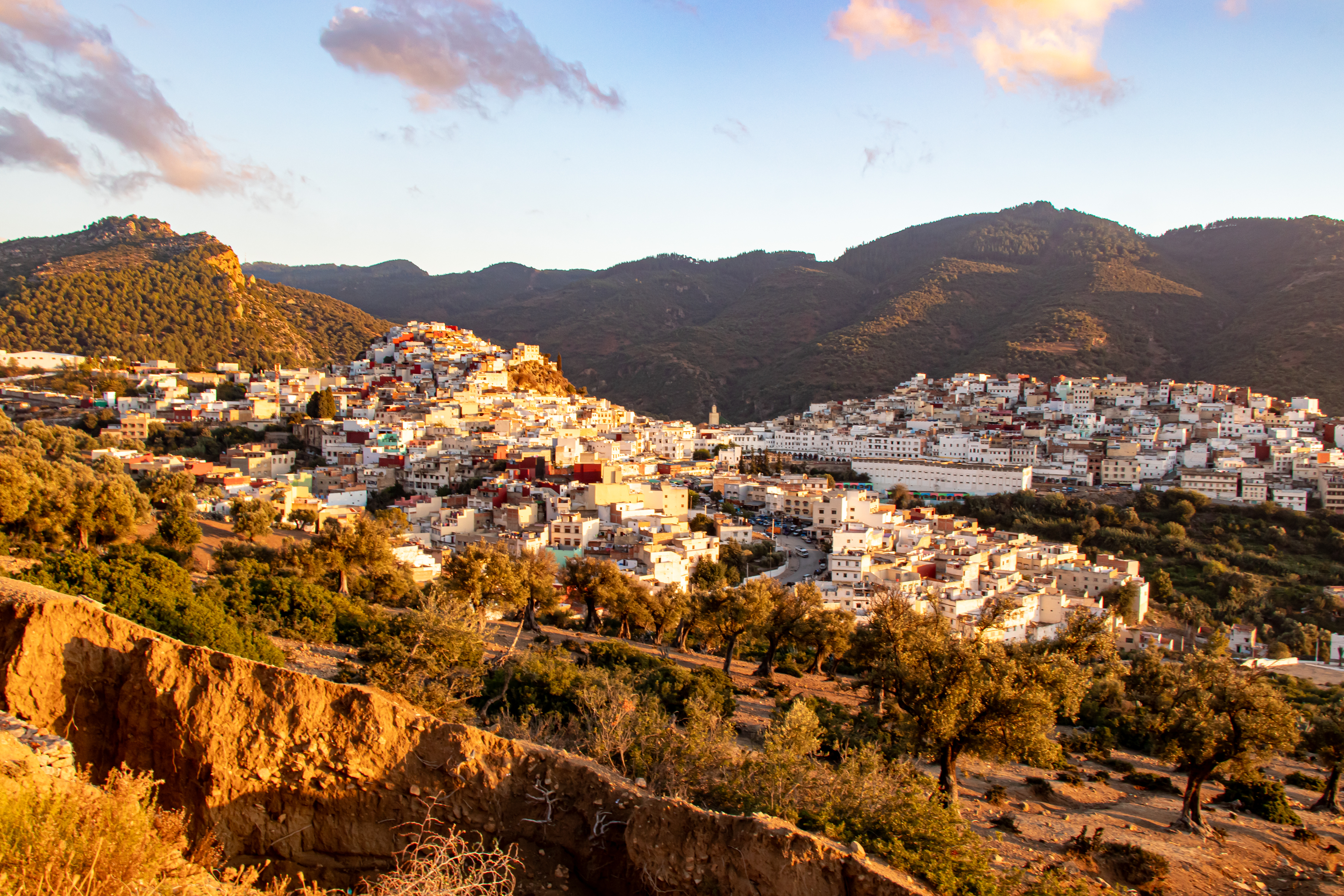
I’d been dreaming about visiting Morocco for years! The colors, the architecture, the energy. So when the opportunity came up to travel there for work, I didn’t hesitate for a second. Over the course of a week, I joined a group tour through Morocco’s cultural heart. From the lively souks of Marrakech to the calm coastal air of Casablanca.
Travel Tips for Morocco
Traveling through Morocco is an adventure for all the senses: colorful markets, the call to prayer echoing over rooftops, the smell of mint tea and spices in the air. It’s a country that’s lively, warm, and endlessly photogenic. But it also rewards travelers who take things slow, stay curious, and travel with respect for local culture.
- Embrace the chaos (and the calm) – Morocco can feel overwhelming at first, especially in cities like Marrakech or Fez. Take breaks, find a rooftop café, and just watch the rhythm of the streets.
- Learn a few words of Arabic or French – Even simple greetings like salaam alaikum (hello) or merci beaucoup go a long way. Locals really appreciate the effort.
- Get a local guide – Especially in big medinas, a guide helps you understand what you’re seeing (and keeps you from getting too lost).
- Try the food, but go easy at first – Tagine, couscous, harira, and street food are delicious, but your stomach might need time to adjust. Stick to bottled water.
- Cash is king – ATMs are common in cities, but smaller shops and market stalls prefer cash. It’s best to carry Moroccan dirhams and small change.
- Dress modestly and respectfully – Morocco is relaxed, but it’s still a conservative country. Covering shoulders and knees is appreciated, especially outside tourist areas.
- Plan travel times realistically – Distances look short on the map, but traffic, mountain roads, or spontaneous photo stops often make the journey longer (and more beautiful).
- Stay hydrated and protect yourself from the sun – The Moroccan sun is strong year-round, even in winter.
- Book attractions online when possible – Morocco is a very popular destination, and especially in Marrakech, attractions like the Bahia Palace and Saadian Tombs can get crowded. Booking tickets or guided tours online in advance saves time and guarantees access. I have linked all the attractions that require tickets.


Our Route
Our journey through Morocco followed this route:
Marrakech → Casablanca → Rabat → Meknès → Volubilis → Fez -> Marrakech
Trains and buses connect most major cities, but if you’re comfortable driving in city traffic and navigating busy streets, renting a car is the easiest way to travel between cities and gives you full flexibility to explore at your own pace.

We spent two nights in Marrakech at the start, soaking in the energy of the city and adjusting to the rhythm of Morocco. From there, we drove to Casablanca and stayed one night, mainly to visit the stunning Hassan II Mosque before continuing north. After that, we visited Rabat, Meknès, and the Roman ruins of Volubilis, before spending two nights in Fez. The perfect place to end the trip on a cultural high note. Finally, we made the long journey back to Marrakech, where we stayed another two nights before flying home.
If I were to plan the trip, I’d skip the overnight stop in Casablanca. Instead, I’d continue on to Rabat or Meknès and spend the night there. That way, you can visit Volubilis the next day and then continue on to Fez without rushing.
We ended our trip by returning to Marrakech, which meant a very long drive (almost a full day on the road). If you want to save time (and energy), it’s definitely worth considering flying home from Fez instead. There are several international connections, and it lets you end your trip at a slower, more relaxed pace rather than with a long bus journey.

Marrakech: Souks, Spices and Street Cats
Marrakech was the first stop and I absolutely loved it. The city is full of energy and color, especially inside the medina. Every alley seems to have a shop selling something different: handmade lanterns, leather bags, painted bowls, and bright carpets stacked floor to ceiling.
We spent the day with a local guide visiting the Menara Gardens, the Bahia Palace, the Saadian Tombs, and the Koutoubia Mosque. Later, we wandered through the Djemaa el Fna square and the colorful souks. I loved the mix of smells, sounds, and of course, the cats! They’re everywhere: on the streets, on rooftops, lounging in doorways…
The Djemaa el Fna square really comes alive in the evening, with street food stalls grilling meat, fresh orange juice stands, and musicians playing traditional instruments. That said, it can feel a bit sad to see the animals there, especially the snakes and monkeys used by performers.
On the last day of our trip, we visited the Secret Garden, which was a peaceful and beautiful escape from the busy streets. It’s a lovely place to stroll and enjoy some quiet among the plants and fountains. A less touristy alternative to Majorelle Garden.
Tip: Visit a rooftop café at sunset for a great view of the Medina or Djemaa el Fna.


Casablanca: The beautiful Hassan II Mosque
Casablanca has a totally different vibe. More businesslike and modern, with wide streets and seaside cafés. But the main reason to visit is the Hassan II Mosque, and it’s honestly one of the most impressive buildings I’ve ever seen.
It sits right on the edge of the Atlantic Ocean, and the details are incredible: marble floors, turquoise tiles, carved ceilings, and views of waves crashing below the mosque. It’s massive but peaceful at the same time. What’s special is that it’s one of the few mosques in Morocco open to non-Muslim visitors, so you can actually go inside and admire the craftsmanship up close.
Tickets can be bought at the visitor center right next to the mosque, and tours run several times a day in different languages. Or you can book guided tours in advance through platforms like Get Your Guide.
Tip: You’ll need to take off your shoes before entering the prayer hall, so wearing easy-to-remove footwear makes things a lot more convenient.


Rabat: Quieter, but just as charming
Rabat felt like a calm break after Marrakech and Casablanca. During our panoramic drive, we passed the Kasbah of the Oudayas, a maze of narrow alleys painted in white and blue, perched above the ocean. We also saw the Hassan Tower, an unfinished 12th-century minaret that stands beside the beautiful Mausoleum of Mohammed V, where the late king and his sons rest beneath an intricately carved ceiling. Our last stop: The Royal Palace that is surrounded by wide, quiet boulevards. None of these activities required an admission ticket.
Tip: Be careful when taking photos near royal buildings or guards, it’s often not allowed. When in doubt, ask first or simply enjoy the view. For great pictures, head to the Kasbah of the Oudayas or the seaside promenade.


Meknès & Volubilis: From Imperial Gates to Roman Ruins
Meknès was next, a smaller imperial city with a lot of character. We admired the Bab Mansour gate, the Royal Stables of Sultan Moulay Ismail (which were unfortunately closed at the time we went), and the old Jewish Quarter. The city feels peaceful, with less tourist traffic than Marrakech or Fez.
A short drive later, we visited Volubilis, the Roman ruins set among rolling olive groves. Walking among the ancient mosaics, columns, and partially preserved temples was surreal. It’s remarkable how much has survived for over a thousand years, and you can easily imagine daily life in the Roman town centuries ago.
Tip: Bring sunscreen and water. It gets hot walking around Volubilis, and there’s little shade.


Fez: Getting Lost on Purpose
Fez was completely different again. The old medina is like a giant maze. Narrow alleys, donkeys carrying goods, and shops that look like time stopped a hundred years ago. We visited the Bou Inania Madrasa, known for its intricate woodwork and stunning architecture, and the Karaouine Mosque, one of the oldest universities in the world (you can only see the exterior since non-Muslims cannot enter). The Nejjarine Fountain, beautifully decorated with zellij tiles, was a peaceful spot to pause amidst the bustling streets. And of course, more cats! Fez might actually win the “most cats per street” award.
Later, we climbed to a rooftop overlooking the leather tanneries: a sight (and smell) you’ll never forget. Rows of colorful dye pits stretch below, and workers move carefully among them, creating a living, breathing painting that has existed for centuries. To visit the tanneries, you can climb one of the many rooftops nearby. Most terraces are attached to small shops selling leather goods, and they often welcome visitors. Some may ask for a small tip if you take photos. Visiting with a guide is helpful, as they can show the best viewpoints and explain the tanning process.
Tip: Wear comfortable shoes and take a guide for your first visit to the medina. The alleys are easy to get lost in, and a guide can point out hidden workshops, historic sites, and the best viewpoints.


With careful planning, a local guide, and an open mind, Morocco becomes a country you’ll never forget. From its lively medinas to serene gardens, every corner offers something unique. So take your time, explore, and enjoy every moment.
I’ll be flying back to Marrakech in February to explore the Sahara Desert and the Ourika Valley, so stay tuned for more blogs about Morocco’s incredible landscapes and hidden gems. There’s still so much to discover, and I can’t wait to share it with you!


Leave a Reply